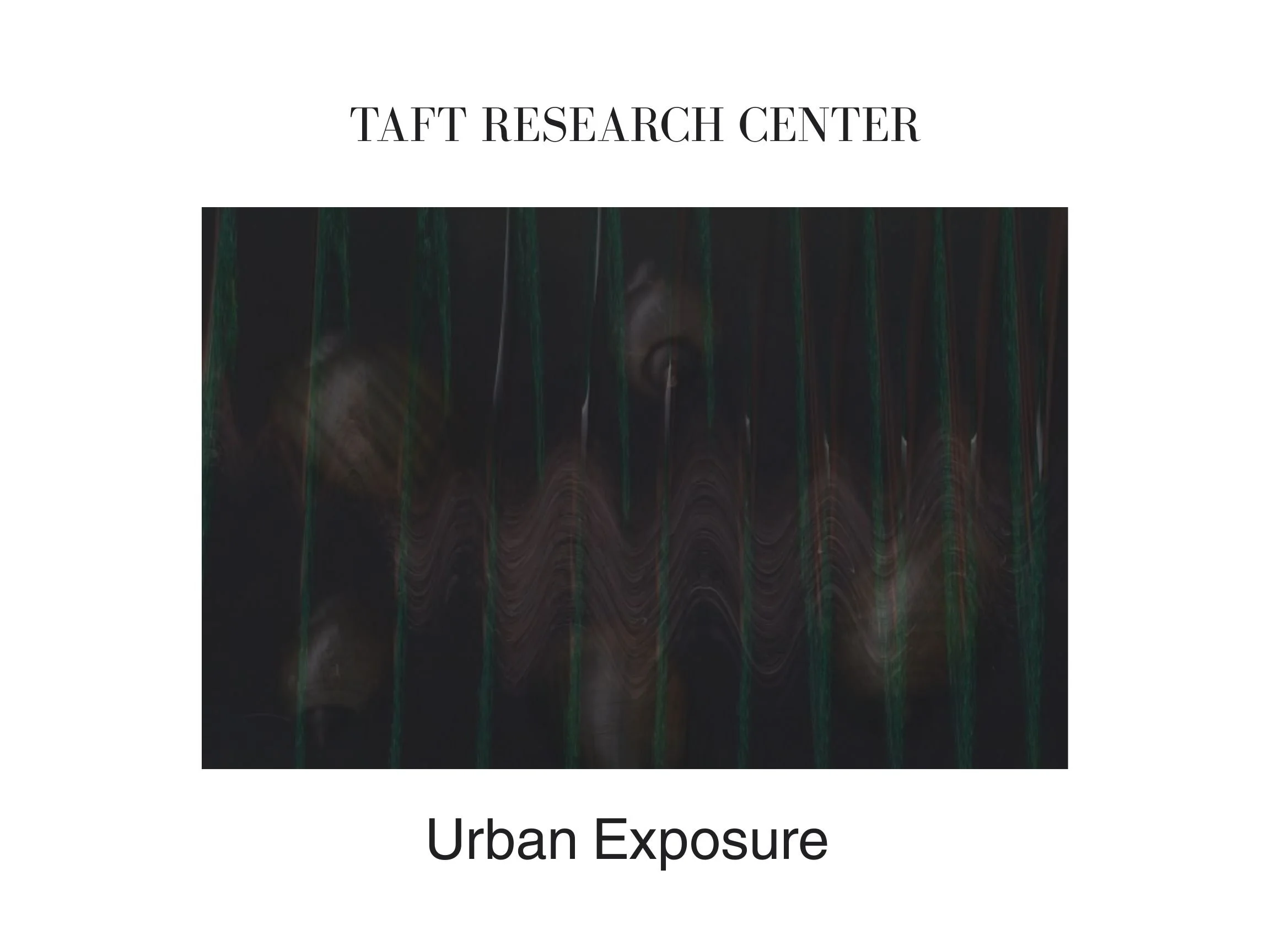
This seminar examines the city through the concept of exposure. How are urban residents unequally exposed to heat, noise, pollution, and infrastructural change? And how can we learn to sense those exposures differently? Drawing on medical anthropology, urban studies, disability studies, and environmental humanities, students will treat documentation as a form of analysis. Rather than relying only on vision and mobility - the dominant modes of urban perception - we will experiment with sound, video, and sensory attention. Grounded in Cincinnati, students will work in small teams to develop site-based projects using three integrated methods: 1) Field recordings to trace acoustic infrastructures 2) Short observational videos that document environmental rhythms 3) Sensory mapping to spatialize sound, fatigue, and (im)mobility. The course culminates in a public exhibition developed with a local community partner. Open to advanced undergraduates and graduate students interested in collaborative, multimodal, and public-facing research
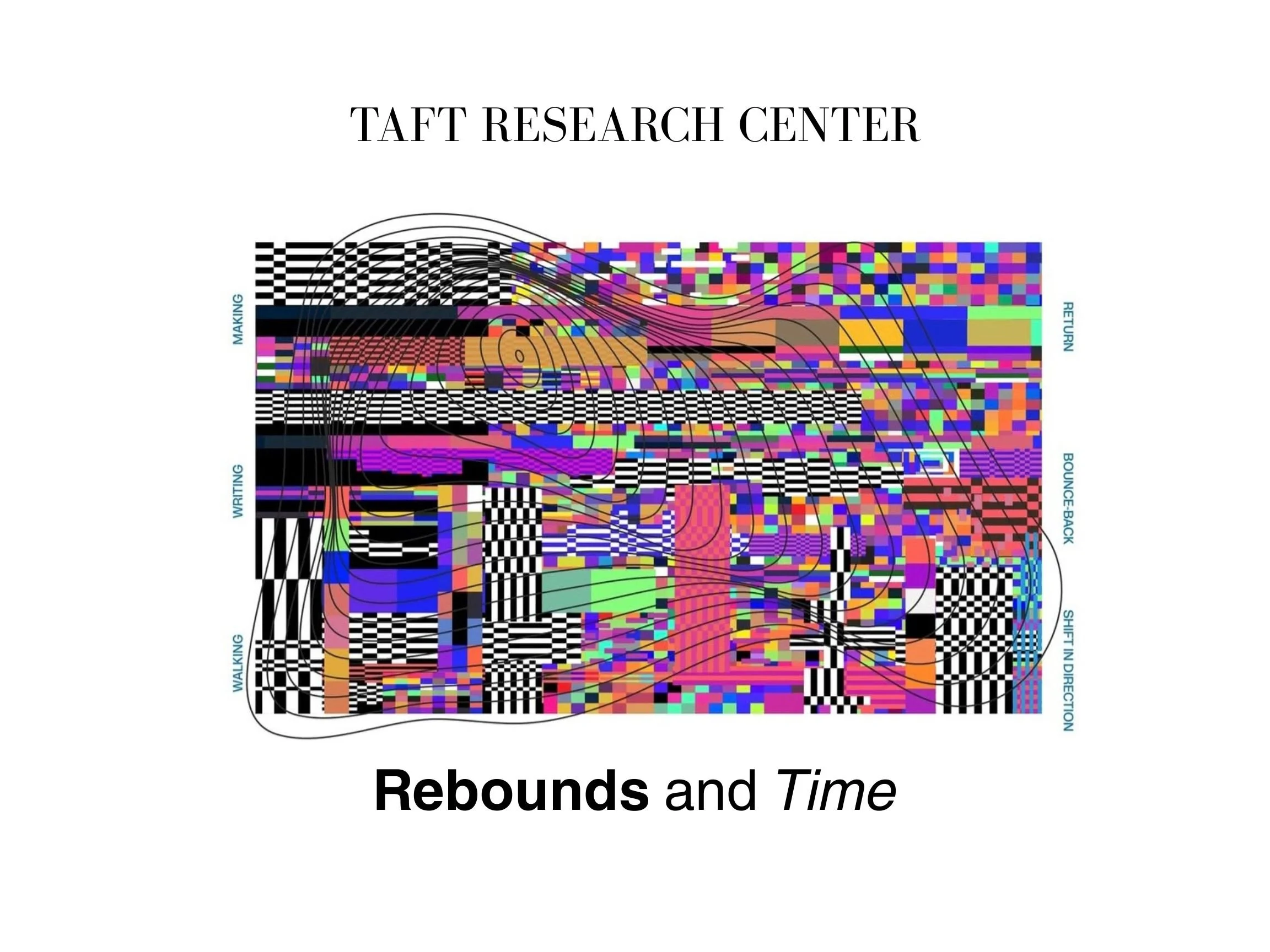
This seminar questions how we experience, measure, and imagine time. Focusing on rebound (a return, a bounce-back, a shift in direction) we will collectively explore how time moves in cycles, layers, and loops, not only in a straight line. Through this lens, we will ask: How does time shape our daily routines, memories of the past, and visions of the future? Using tools from cultural studies, critical race theory, philosophy, anthropology, poetry, and time-based arts, we will move between personal schedules and historical archives, between walking and writing, research and making. Partnering with narrative change non-profit A Picture’s Worth, the seminar will offer students hands-on experience in story gathering and counter-archival techniques. This course is open to advanced undergraduates and early graduate students interested in time, memory, and creative approaches to interdisciplinary study.